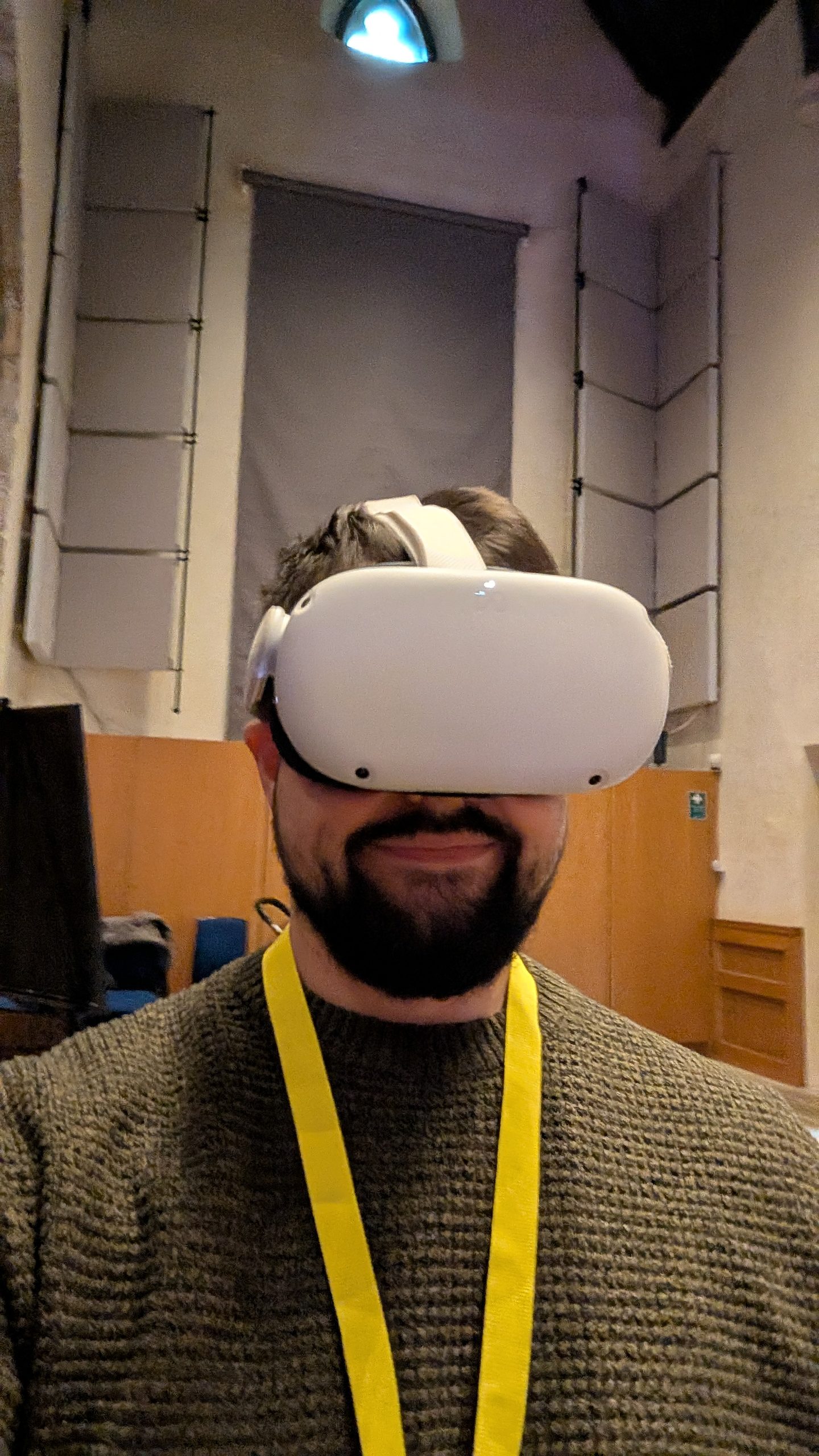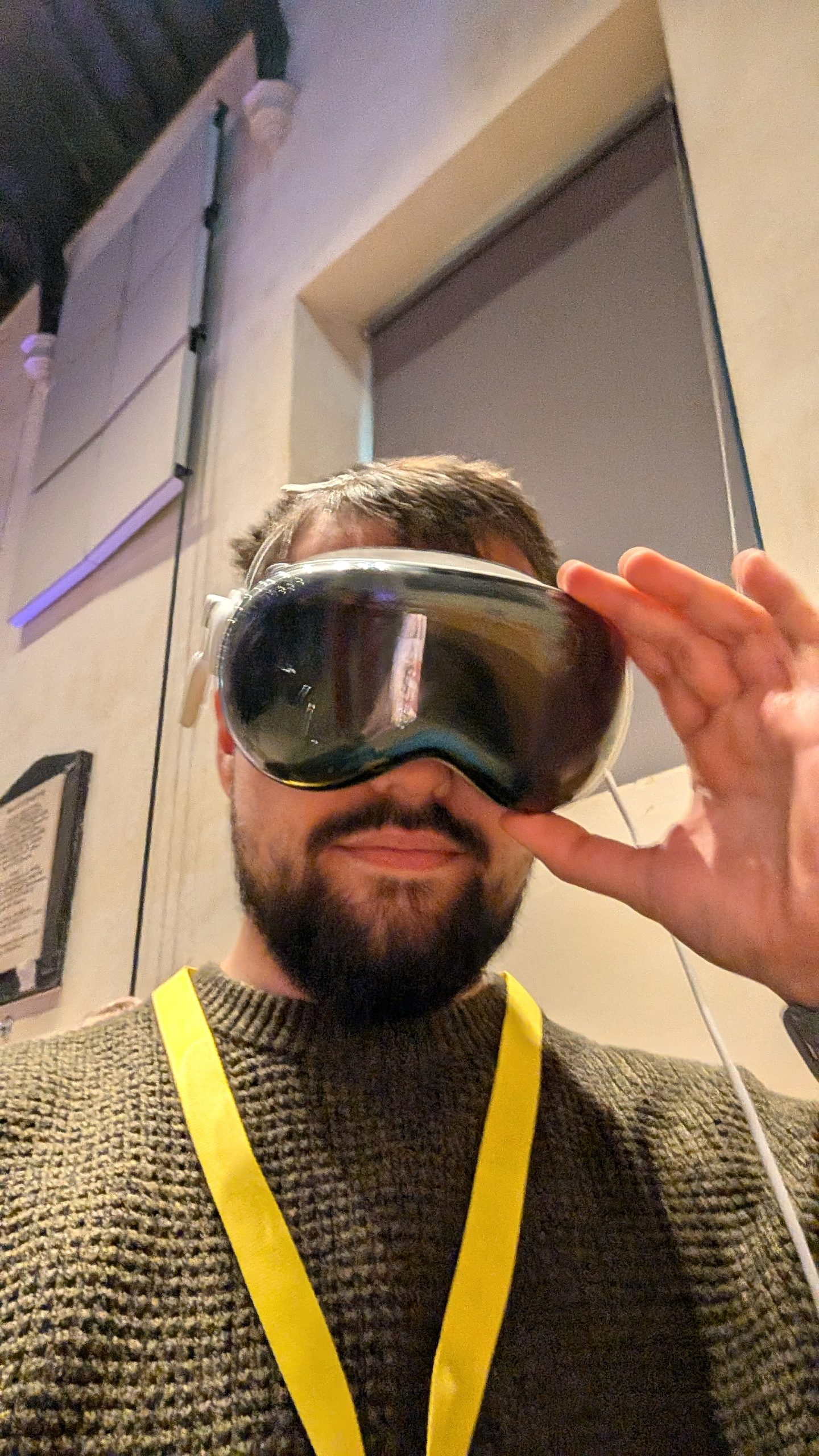

My experience:
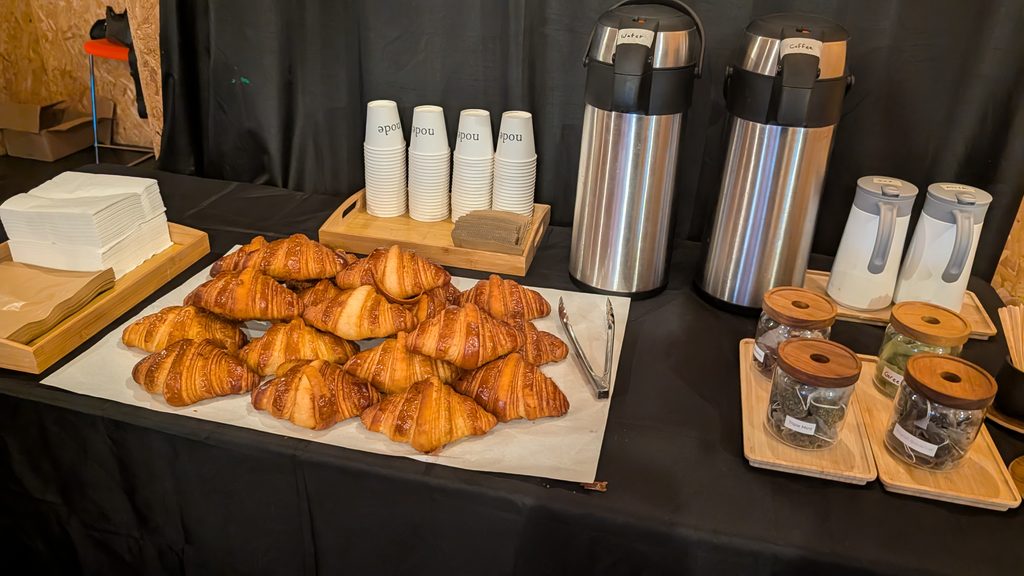
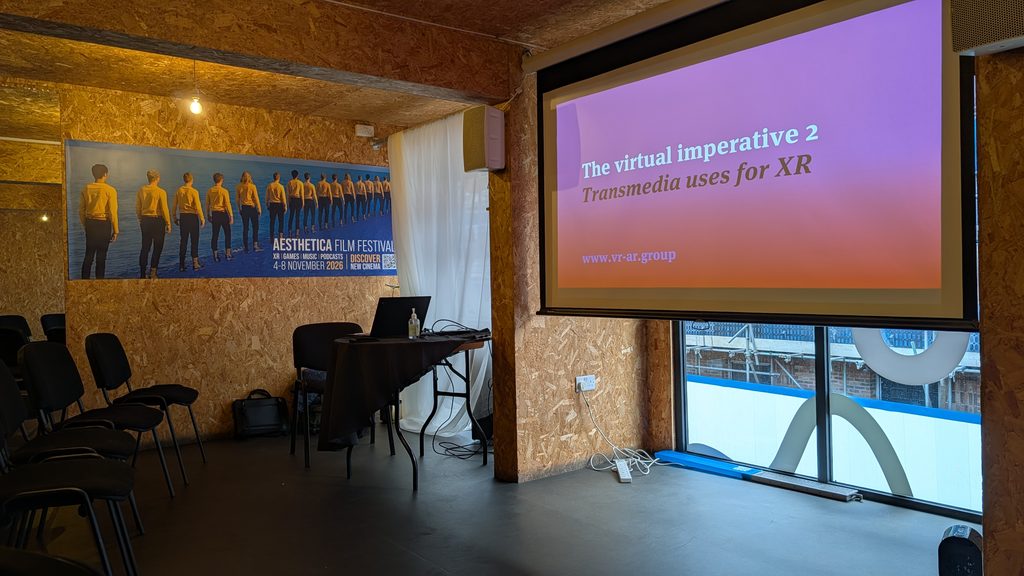
The day began with fresh tea, coffee and impressively large croissants, which created a welcoming atmosphere from the start. We then listened to a range of speakers and academics discuss how XR is being used in research, education, health and creative practice. The talks were engaging and valuable, showing how immersive technologies can support many different areas, from children’s learning and AI-assisted content creation to anxiety reduction, virtual laboratories, simulations for higher education, and experiences focused on breast cancer awareness.
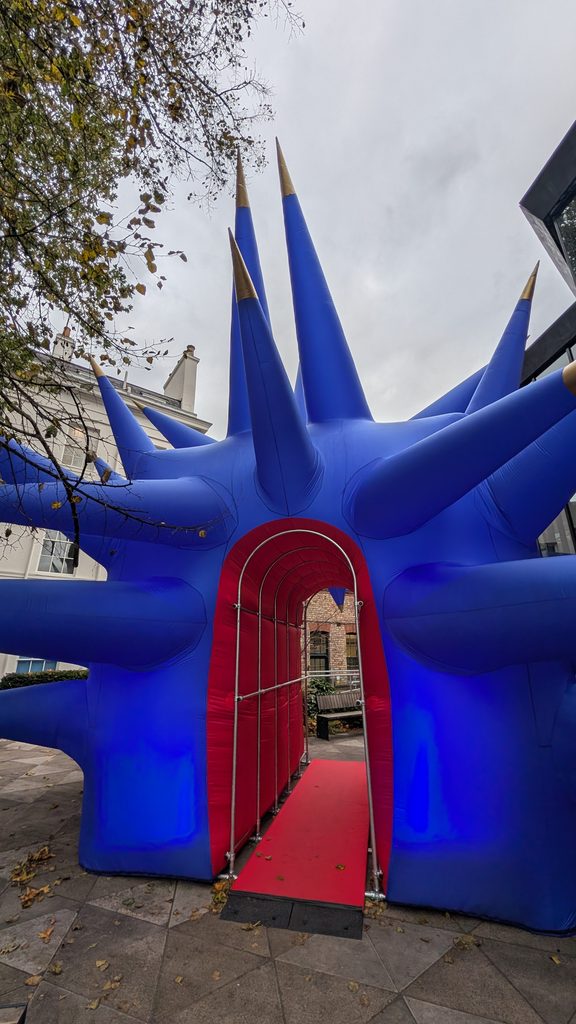
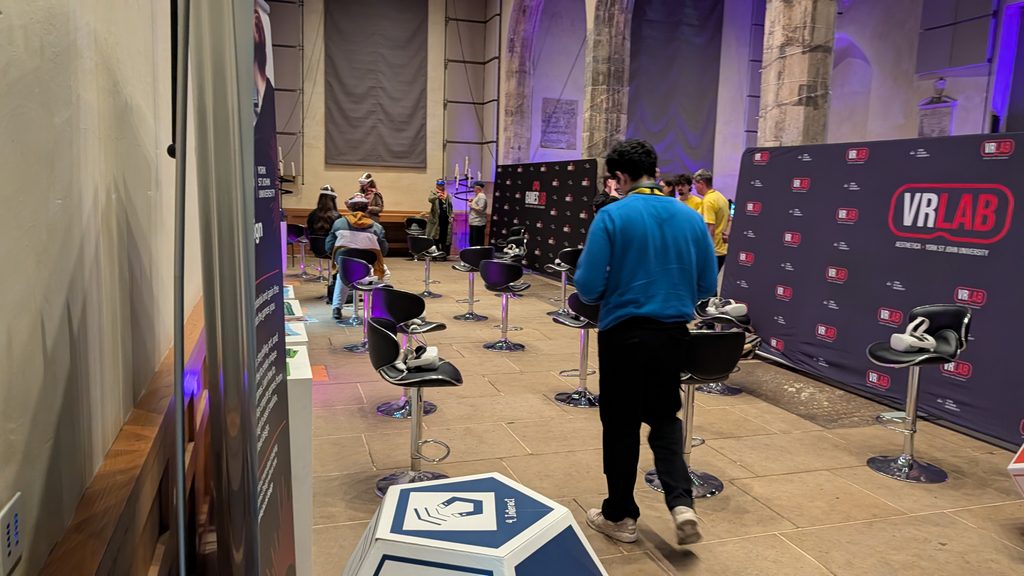
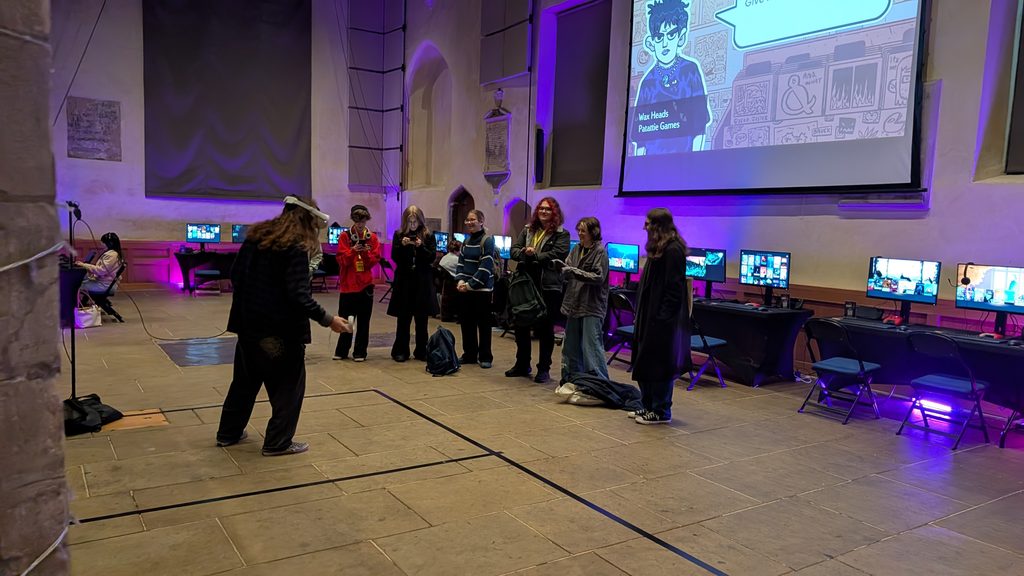
Afterwards, we visited the VR Lab and the Games Lab, where we were able to explore the technology and see how these ideas are being put into practice. I also saw a large artistic structure that reminded me of Sonic the Hedgehog, which was a memorable and unexpected highlight. I had a fantastic meal from the Shambles, we also attended a workshop called The Future of XR: Entertainment and Beyond. The session featured Max Dennison, Ana-Despina Tudor, Alia Sheikh and Richard Nockles, who discussed how VR has developed from a niche experimental technology into a tool with growing potential across entertainment, education and healthcare.

What I have seen and learned:
I learned that VR, MR and AR can be extremely powerful when they are designed and used correctly. These technologies can immerse people in different worlds, but more importantly, they can help users become more aware of subjects and experiences they may not have fully understood before. The conference also showed me that XR is not only about entertainment; it can be used for education, wellbeing, accessibility, empathy and practical skills development.
One of the most impactful videos for me was Alone at Night by Beata Harju. This immersive experience places the viewer in the perspective of Emma, a young woman walking through a city at night. It highlighted how a route that may seem safe to some people can feel very different when seen through the wary eyes of someone who feels vulnerable. What made the experience particularly powerful was that, although I was placed in her perspective, I could not interact with the surroundings or change what was happening. This made me feel powerless at certain moments and encouraged me to think more deeply about the issue. It showed me how immersive media can build empathy and raise awareness of real social problems.
Another educational experience was Inside Chernobyl by Jonathan Wells. This 360° documentary takes viewers inside the Chernobyl site and recreates scenes from 1986 alongside interviews with people who worked there, including those who witnessed the accident. The video helped me understand the human and environmental impact of the disaster, as well as its connection to wider political and historical issues. It made me reflect on the consequences of major events and think more carefully about what individuals and communities can do to make a positive impact.
A third experience that stood out to me was an interactive concert environment Immersive Ellur. I found it exciting because I could play the drums and interact with parts of the experience, which made me feel as though I was genuinely involved in the performance. This made me think about how VR could support accessibility. For example, people who may not be able to attend concerts or interactive events in person could still take part in a meaningful way. It could also be used in education to create more inclusive and engaging learning experiences.
How we could use VR for a wider use for the university:
From the talks I attended, I learned more about how interactive technologies such as AI, motion capture, VR and AR can be used in education. Alphabetica discussed how children can be enchanted by VR and AR, as well as how they can create content with AI. This made me think about how these tools could benefit students by encouraging creativity beyond traditional methods, such as designing only on paper. Instead, students could explore ideas in immersive environments, test concepts in real time with the use of AI and develop practical skills through interactive learning.
Another example that stood out was Drift from the University of Derby which was a breath paced immersive experience in XR. This was a proof of concept for software designed to support self-meditation and help reduce anxiety in patients. I found this particularly interesting because it showed how virtual environments could be used not only for learning, but also for wellbeing and mental health support.
Imperial College London also presented work on extending XR into reality by creating simulators for higher education. One example was a high-fidelity IVR digital twin of Imperial’s Briscoe Chemistry Teaching Laboratory. This included virtual chemistry lab environments where students could practise using tools and procedures that they may not normally get the chance to use every day. This showed me how XR can give students safer, more flexible access to specialist learning environments.
For the university, VR could be used across a wide range of courses and departments. In health and science subjects, students could explore simulations of the human body, practise procedures safely or better understand complex medical conditions. In architecture, engineering and construction-related subjects, XR simulators could help students understand building structures and test ideas in realistic environments. In design, media and performing arts, VR could help students create prototypes, stage performances, build virtual exhibitions or experiment with new forms of storytelling. In education and social sciences, immersive scenarios could help students understand different perspectives and develop empathy.
VR could also make learning more inclusive. Students with accessibility needs, anxiety about certain environments, or difficulties attending some activities in person could still engage with experiences in a supported and flexible way. It could also allow the university to offer virtual field trips, simulated workplaces and collaborative spaces where students can learn together even if they are not physically in the same room.
One example we are already seeing is the use of VR software such as Bodyswaps, which allows students to develop soft skills such as interview preparation, de-escalation techniques and presenting in front of an audience. These can be stressful situations, but VR gives students a safe environment where they can practise, make mistakes and build confidence before applying those skills in real life.
Overall, the experience showed me that VR is not just a tool for entertainment. When used thoughtfully, it can support education, accessibility, creativity, wellbeing and awareness. The conference helped me see how XR can make learning more engaging and meaningful, while also giving students opportunities to practice skills, explore new environments and think more deeply about real-world issues.